Data-driven analysis of the structural forces — demographic, technological, economic —
that will shape the next century.
By Tristan Fischer. A lifelong fascination with history, science, and technology led to a simple observation: the deeper you understand how the past unfolded, the more clearly you can see the future. These essays trace historical patterns and technological trajectories to work out what comes next.
Most political positions are argued from ideology. History Future Now's are argued from evidence. Five thousand years of civilisational data — from Sumer to Singapore — points consistently in the same…
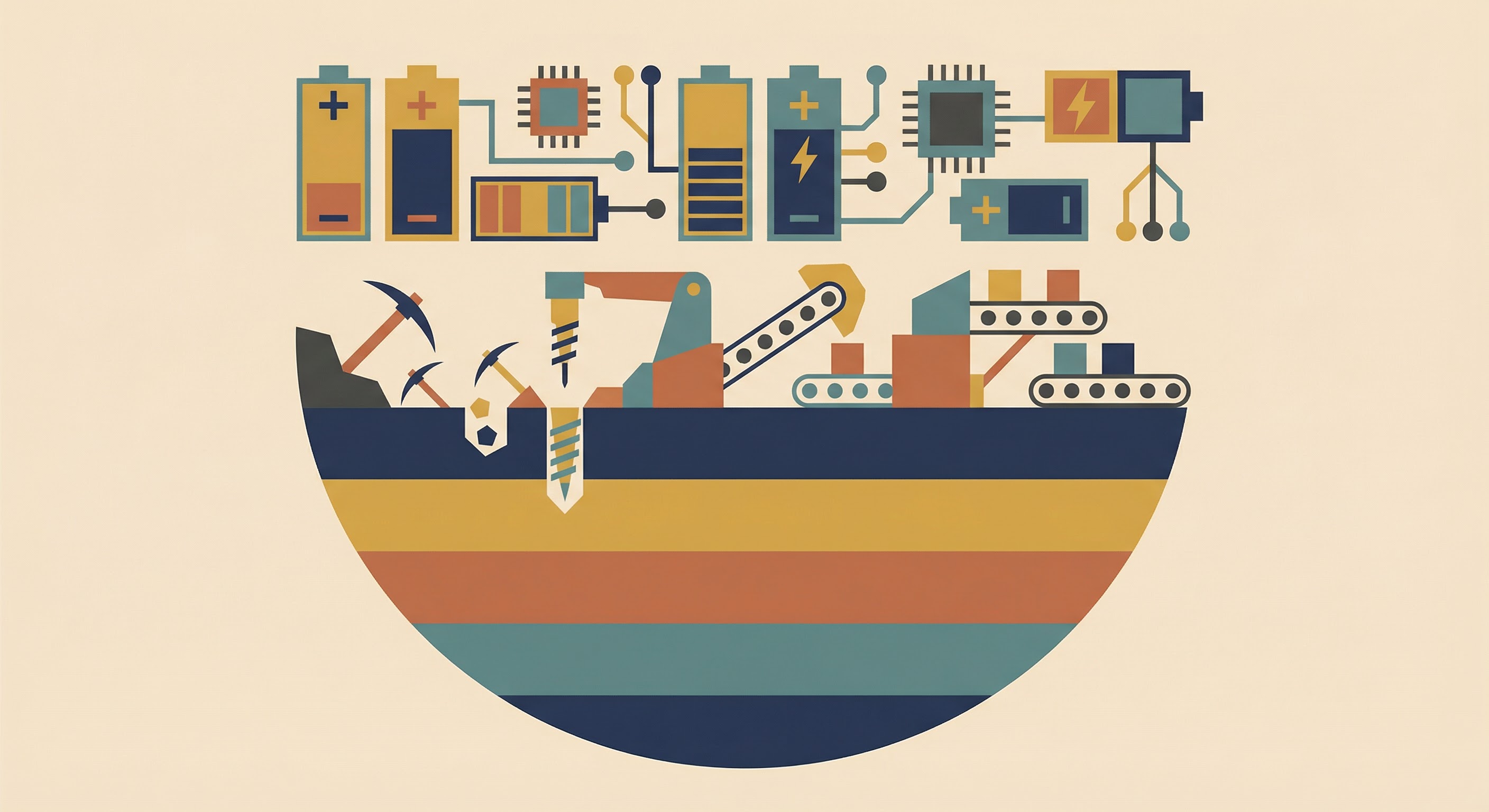
China banned gallium and germanium exports in 2023 and most Western policymakers had never heard of either element. The energy transition depends on minerals most people cannot name, mined in places m…
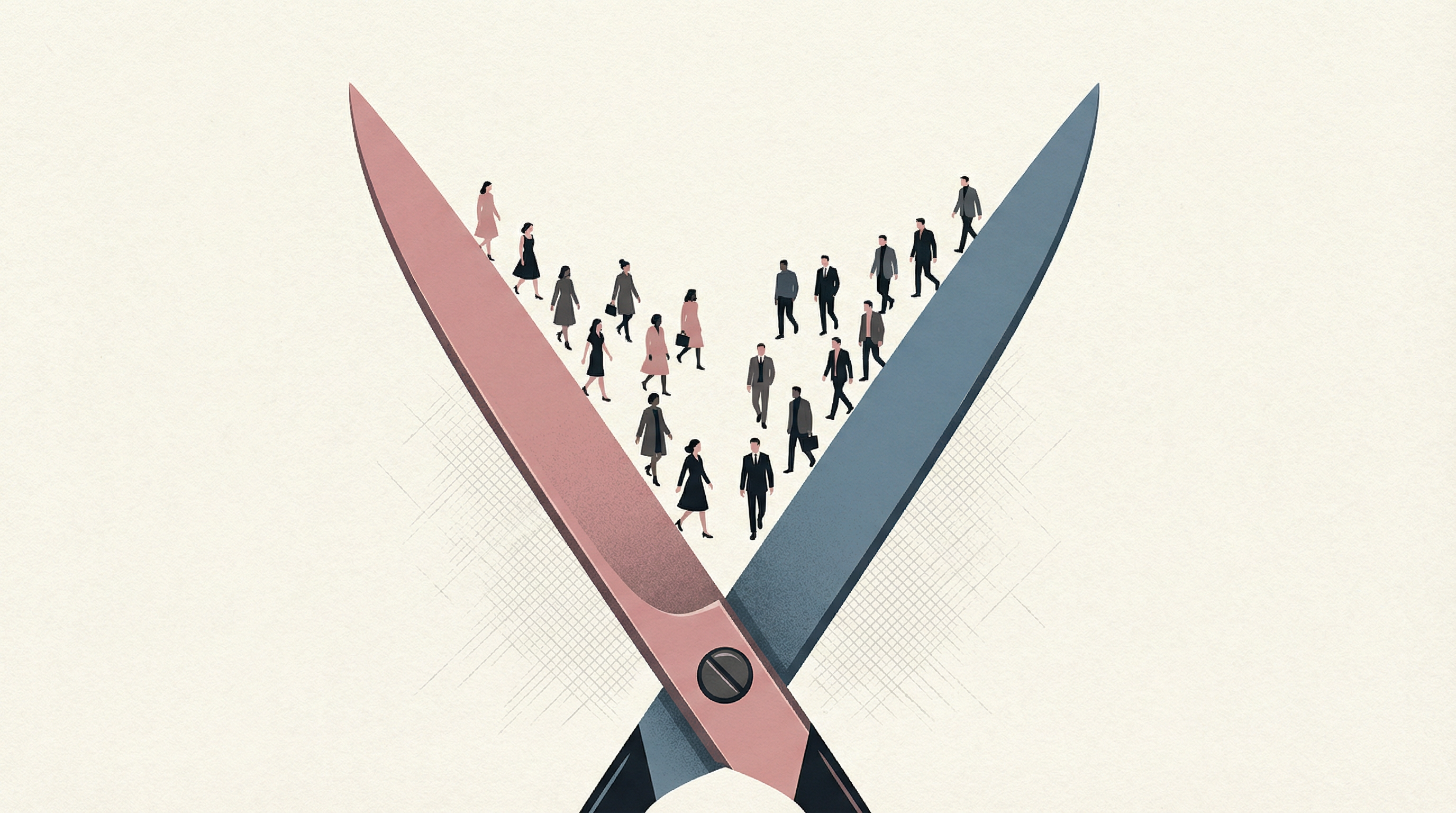
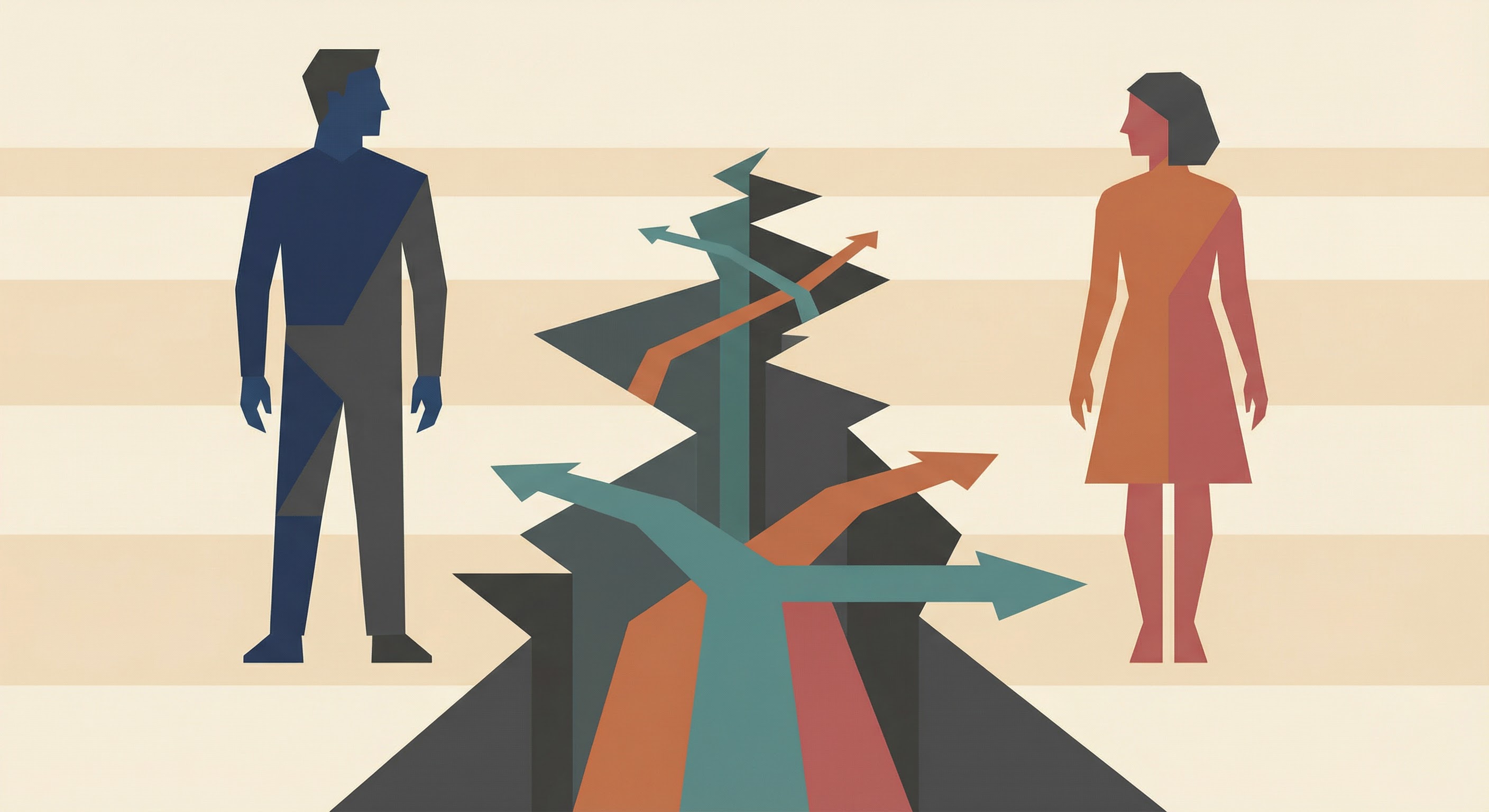
Young women have moved sharply more liberal across the developed world. Young men have not — or have moved more conservative. The gap is historically unprecedented. The political and demographic conse…
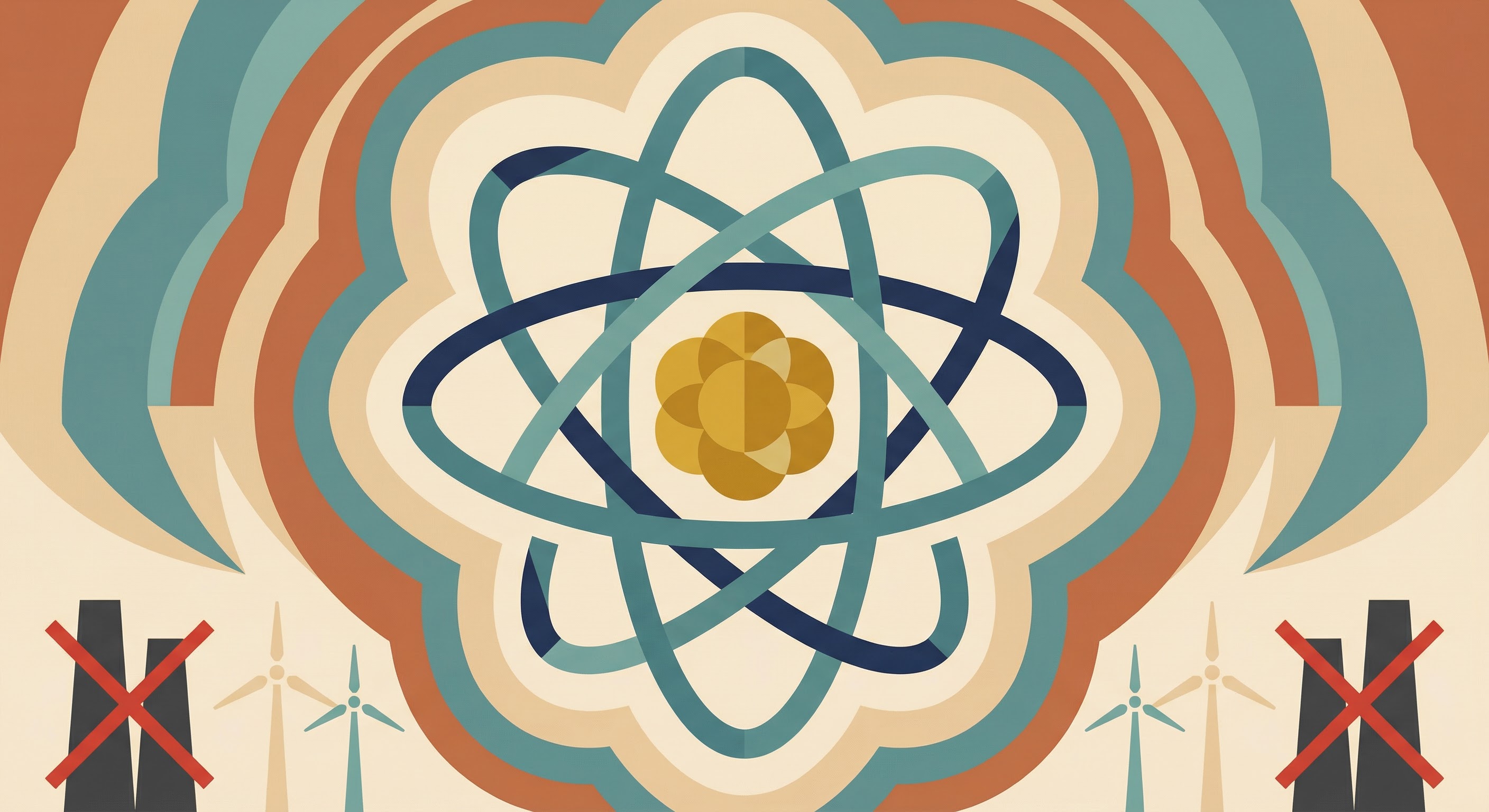
Microsoft signed a deal to restart Three Mile Island for AI power. France generates 70% of its electricity from nuclear at half Germany's carbon intensity. China is building 150 reactors. The atom is…
The US spent more on interest payments than on defence in 2024 for the first time in history. Spain defaulted six times between 1557 and 1647. France's debt triggered the Revolution. The pattern is al…
The average house in England costs 7.7 times the median salary. In Seoul, a young couple saves for 18 years to buy a flat. Every city with extreme housing costs has a fertility rate below 1.5. This is…
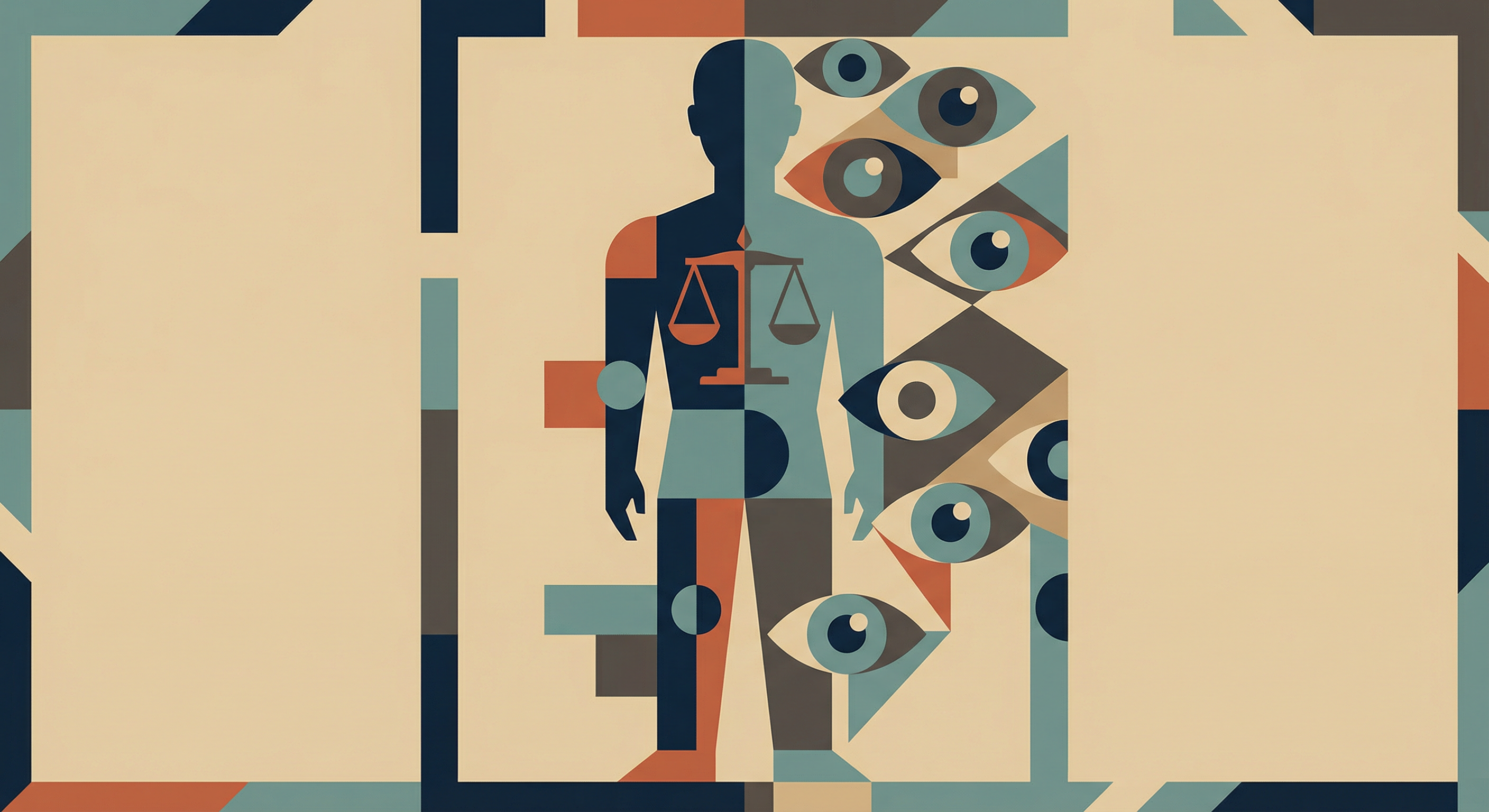
Guilt societies are ruled by an internal judge; shame societies by the eye of the crowd. The difference shapes corruption, rule of law, and how civilisations understand each other — when they meet, th…
The Netherlands and Denmark are the two best-documented case studies on the fiscal and social costs of immigration in Europe. Both are small, wealthy, high-trust welfare states with meticulous statist…
Most political positions are argued from ideology. History Future Now's are argued from evidence. Five thousand years of civilisational data — from Sumer to Singapore — points consistently in the same…
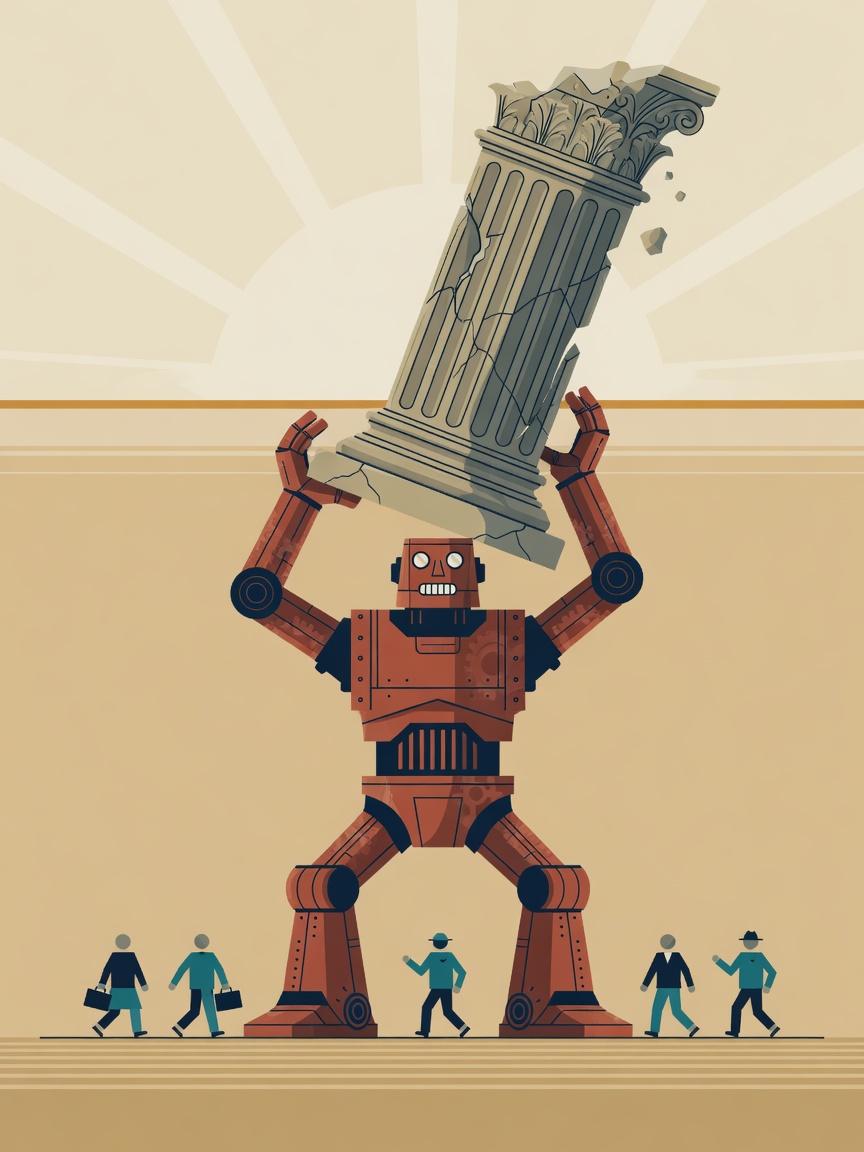
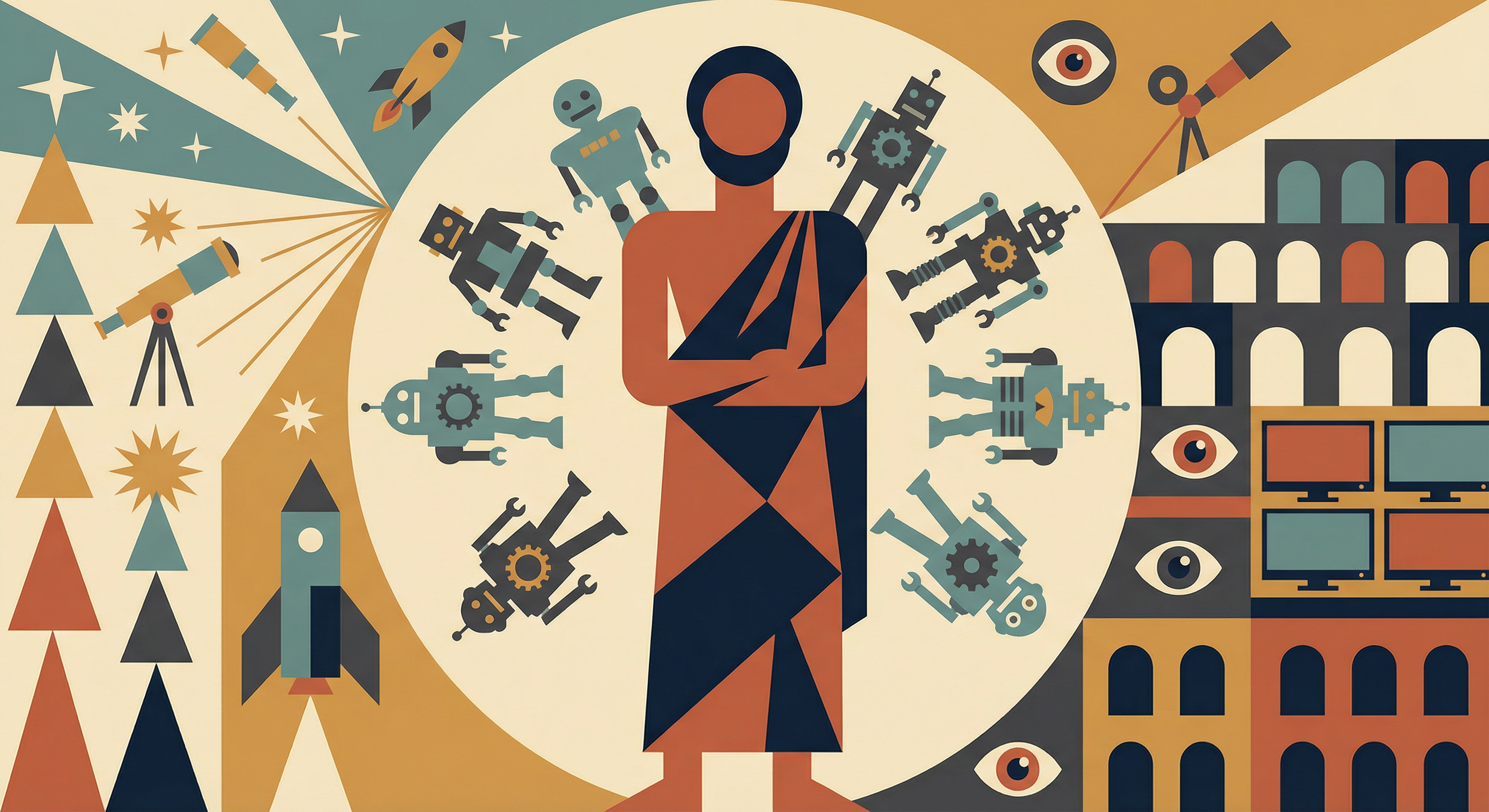
Robots are not stealing jobs. They are replacing the unborn. When the Shadow Workforce handles survival, eight billion people become an aristocracy. Athens used that freedom to invent philosophy. Rome…
Microsoft signed a deal to restart Three Mile Island for AI power. France generates 70% of its electricity from nuclear at half Germany's carbon intensity. China is building 150 reactors. The atom is…
The US spent more on interest payments than on defence in 2024 for the first time in history. Spain defaulted six times between 1557 and 1647. France's debt triggered the Revolution. The pattern is al…
Young women have moved sharply more liberal across the developed world. Young men have not — or have moved more conservative. The gap is historically unprecedented. The political and demographic conse…
Water is the one resource for which there is no substitute. Every major civilisation was built on water management — Mesopotamia's canals, Egypt's Nile, Rome's aqueducts. And every civilisation that l…
The average house in England costs 7.7 times the median salary. In Seoul, a young couple saves for 18 years to buy a flat. Every city with extreme housing costs has a fertility rate below 1.5. This is…
China banned gallium and germanium exports in 2023 and most Western policymakers had never heard of either element. The energy transition depends on minerals most people cannot name, mined in places m…
Britain has undergone one of the most rapid peacetime demographic transformations in European history. It was not planned. It emerged from a sequence of policy decisions — and its long-term trajectory…
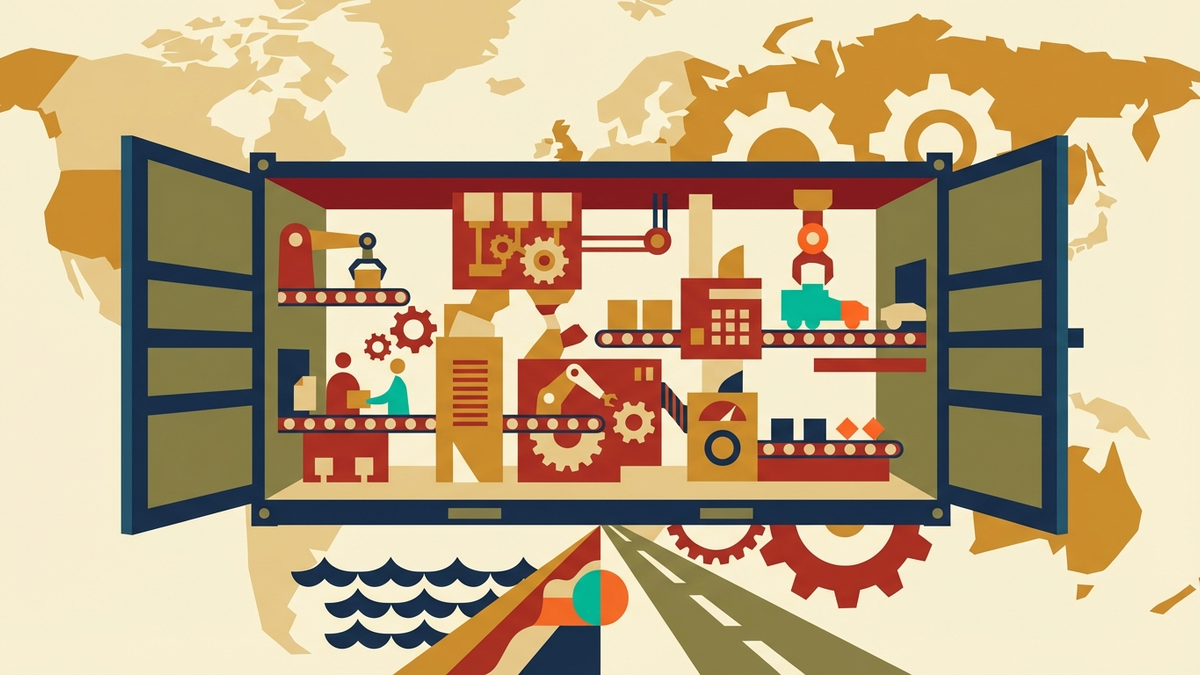
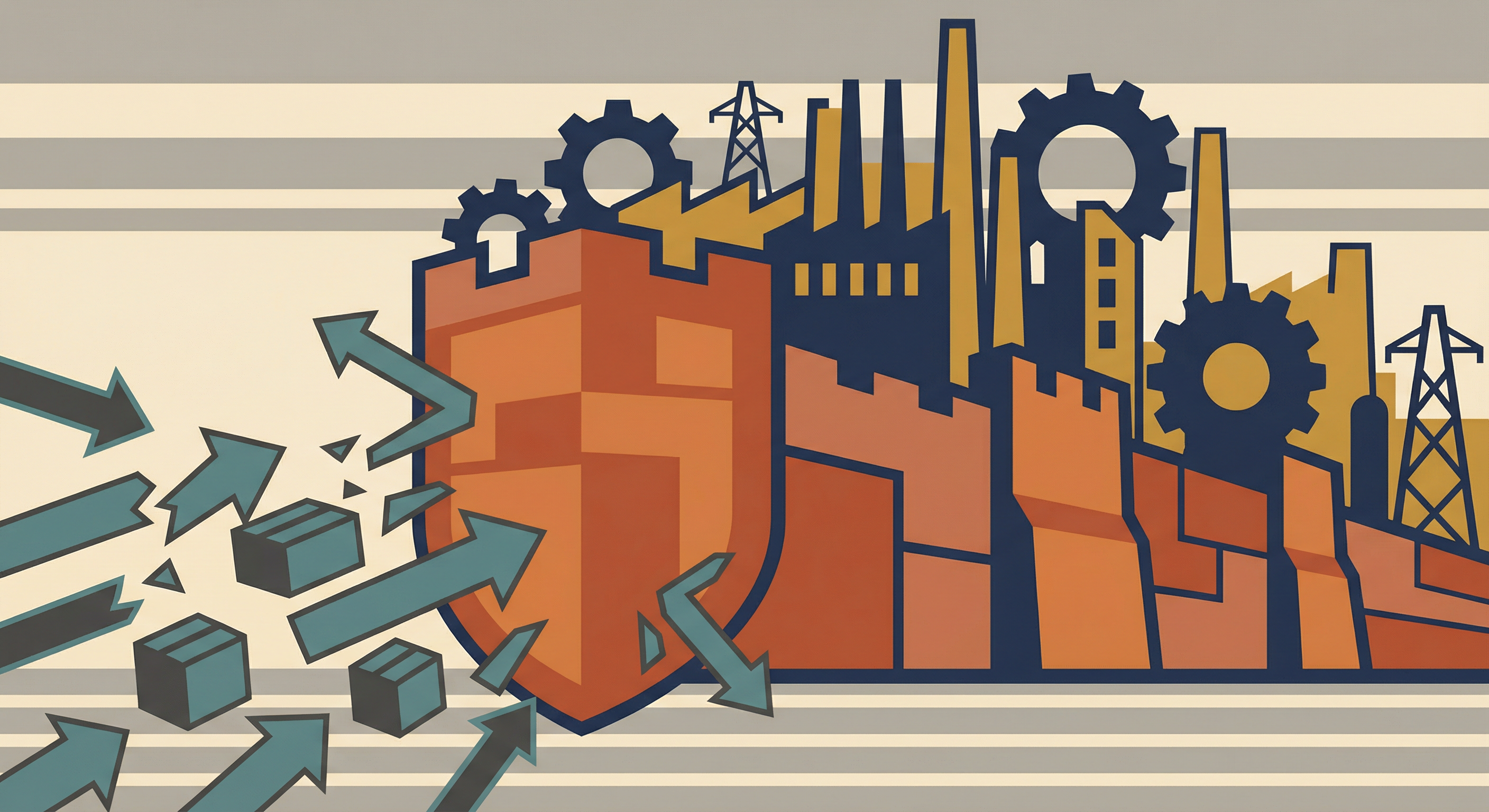
In a single generation, the West gave away the industrial monopoly it had held for two centuries. From the rust belts of the Midlands to the boomtowns of Guangdong, this is the story of the Great Offs…
Between them, European and East Asian civilisations built virtually everything that defines the modern world — the scientific method, industrial manufacturing, semiconductors, the internet, modern med…
For five thousand years, every successful civilisation tightly controlled who could enter, settle, and become a citizen. Then, in the space of a single generation, the West decided this was bigotry. T…
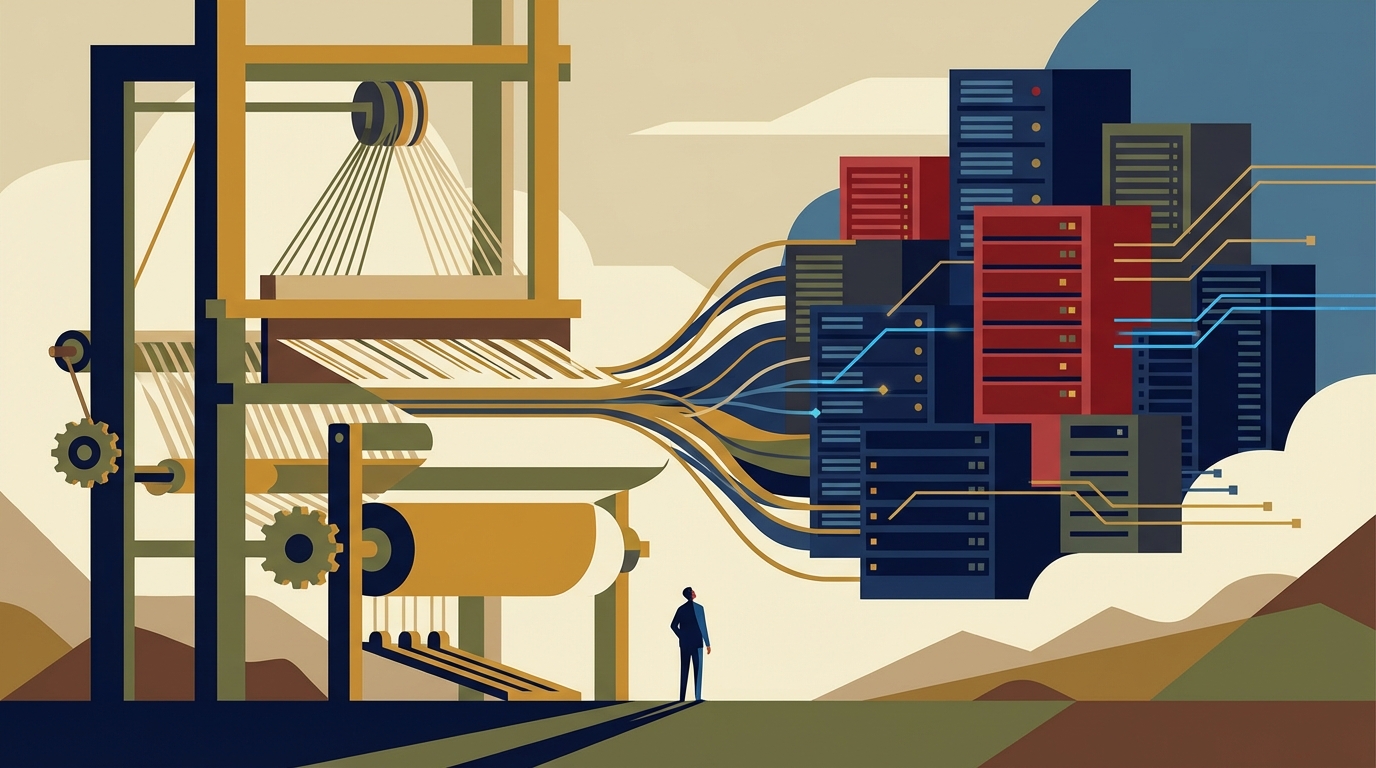
For five thousand years, if you could not write, you hired a scribe. If you could not code, you hired a developer. AI has just made everyone literate in the digital scribal arts — coding, design, film…
In 1932, Germany spent less than 1% of GDP on its military. By 1939, that figure was 23%. The transformation took just seven years. Today, Europe is embarking on the fastest rearmament since the Cold…
On February 4th 2026, a Washington Post reporter in a warzone in Ukraine learned by text message that she had been laid off. Nearly half the newsroom was gone in a single day. This is not just a story…
In February 2026, the United States signed a trade deal with Taiwan that included $250 billion in semiconductor investment pledges. Tariffs are back. Industrial policy is back. After forty years of be…
Elon Musk's DOGE initiative has identified $215 billion in US government savings and aims for $2 trillion. The EU's regulatory apparatus grows by thousands of pages each year. Every civilisation in hi…
SpaceX is building Starship production lines at scale. China plans a permanent lunar base by 2030. NASA's Artemis programme aims to return Americans to the Moon. India, Japan, and the UAE have all sen…
Western dominance was a 200-year anomaly. The world is reverting to the historical mean.
Source: Maddison Project, IMF · Read the full analysis →
Every article, narrated in full. Queue them up and listen on the go.
Energy, food, water, land — the physical foundations that every civilisation depends on.
Most History Future Now readers will be familiar with Homer’s epic of the Iliad, written about 2,800 years ago. Few will have actually read the poem, most will…
Microsoft signed a deal to restart Three Mile Island for AI power. France generates 70% of its electricity from nuclear at half Germany's carbon intensity. Chin…
Water is the one resource for which there is no substitute. Every major civilisation was built on water management — Mesopotamia's canals, Egypt's Nile, Rome's…
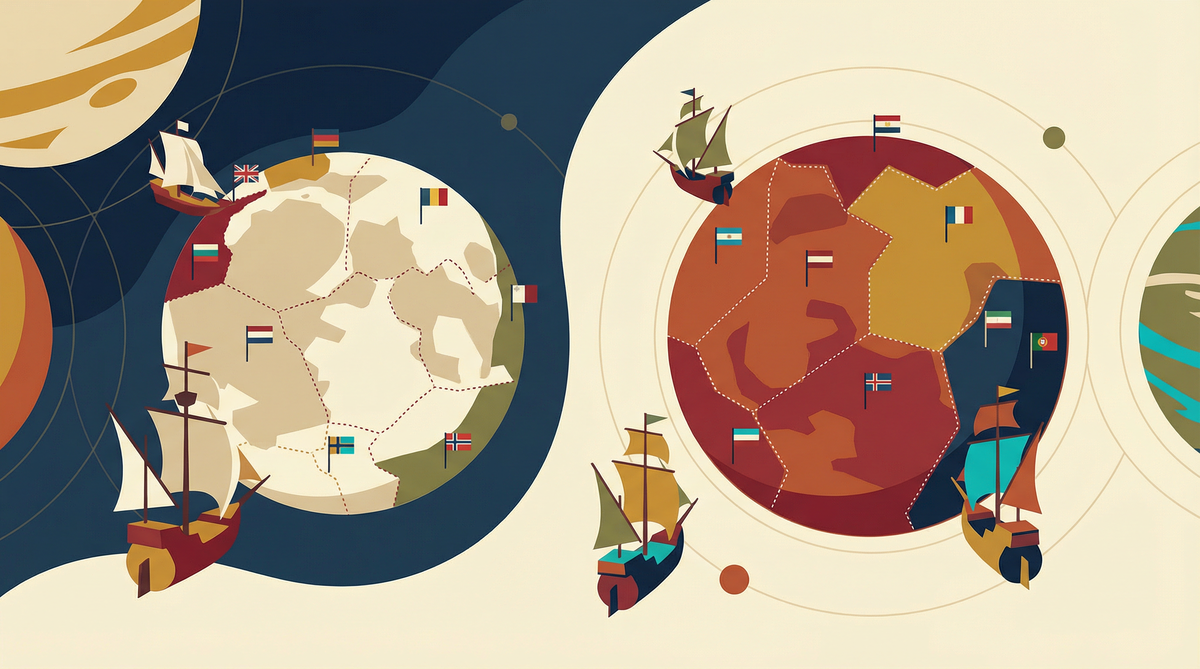
How nations rise, compete, and decline — from colonial empires to modern China.
Christopher Marlowe’s play Doctor Faustus was written in 1592 and was based on an earlier German work about Dr Faustus, a talented German scholar at Wittenburg…
Donald Trump is marching the US into a trade war with China. Markets are rattled. China is rattled. American companies are rattled. After 100 years of promoting…
History Future Now had dinner a few years back with two Kenyans of Indian origin. Indian-Kenyans make up less than 1% of the country’s 43 million people, but ap…
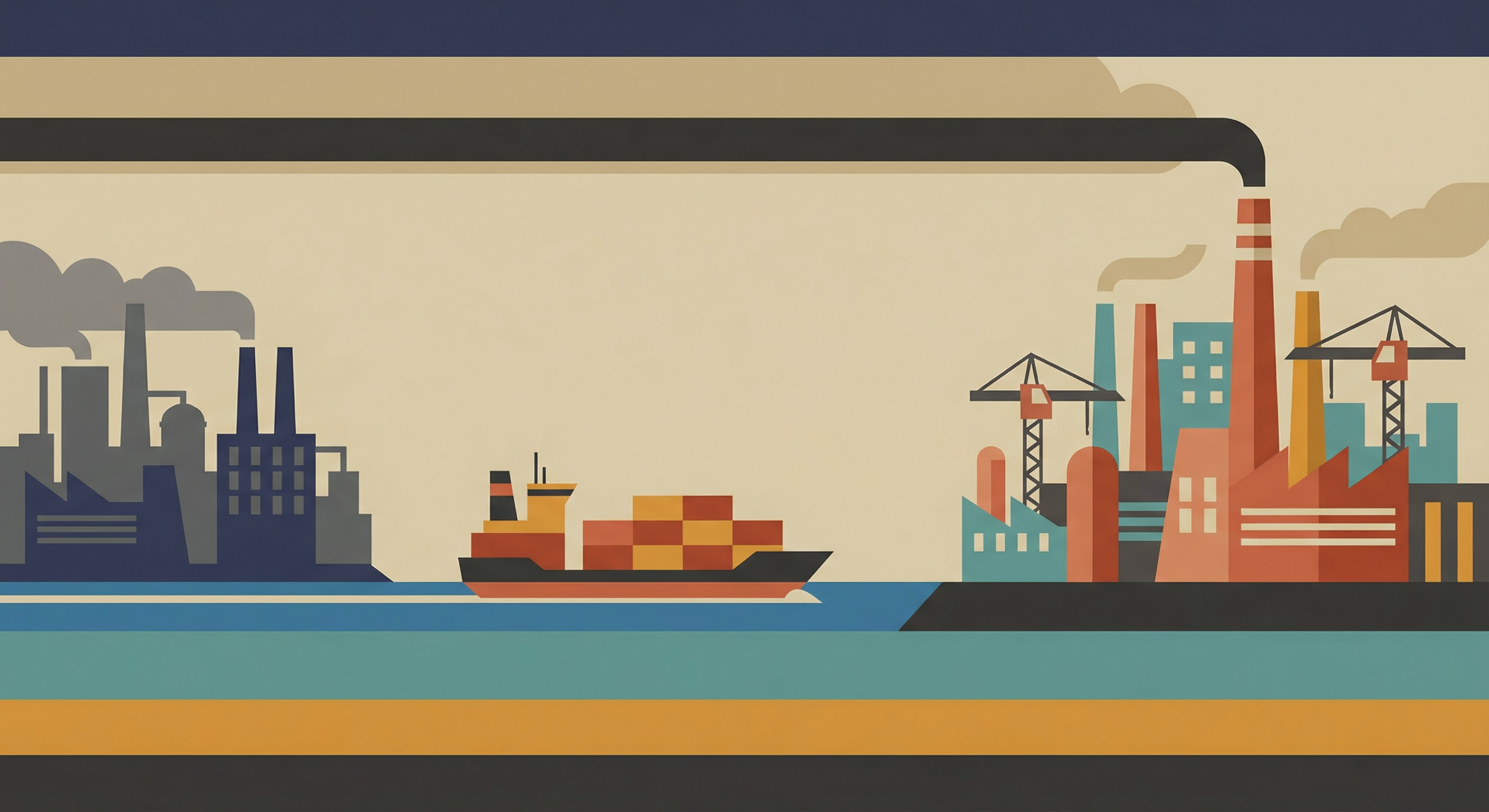
Automation, trade, debt, and the future of work in an age of intelligent machines.
Microsoft's AI chief predicts virtually all white-collar tasks will be automated within 18 months. South Korea's fertility rate is 0.72. Japan sells more adult…
The US spent more on interest payments than on defence in 2024 for the first time in history. Spain defaulted six times between 1557 and 1647. France's debt tri…
Can we truly predict the future, or are we destined to repeat the mistakes of the past? This question has captivated minds for millennia, from ancient prophets…
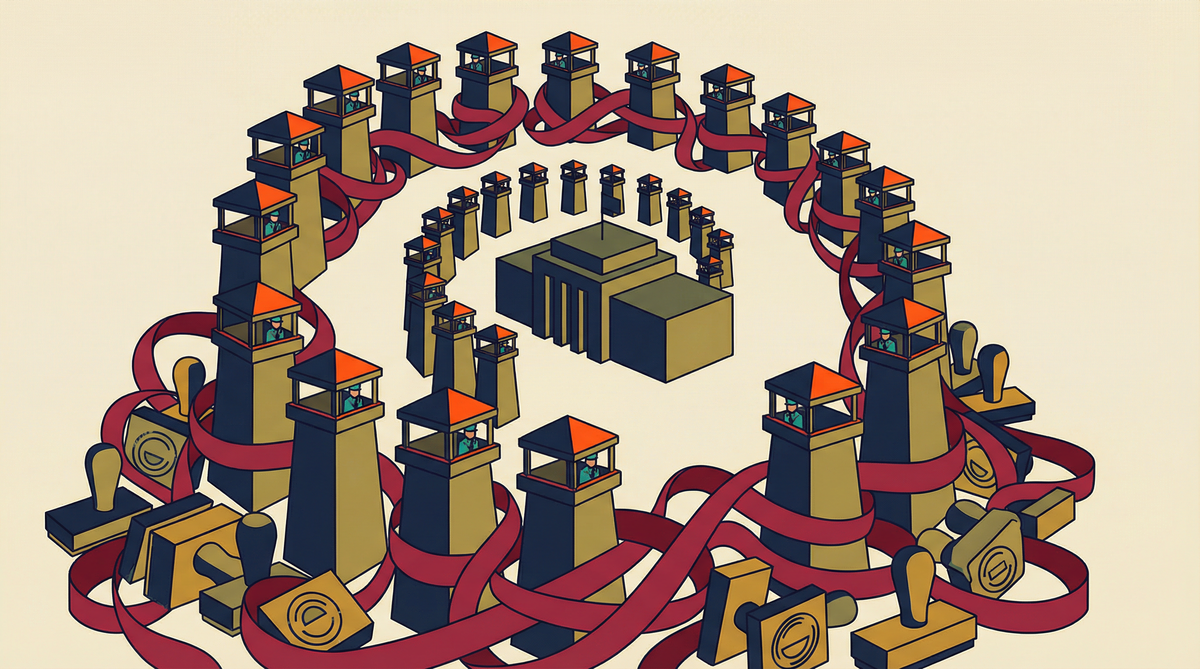
Democracy, religion, migration, identity — the human systems that bind us together.
The Netherlands and Denmark are the two best-documented case studies on the fiscal and social costs of immigration in Europe. Both are small, wealthy, high-trus…
Britain has undergone one of the most rapid peacetime demographic transformations in European history. It was not planned. It emerged from a sequence of policy…
For five thousand years, every successful civilisation tightly controlled who could enter, settle, and become a citizen. Then, in the space of a single generati…